

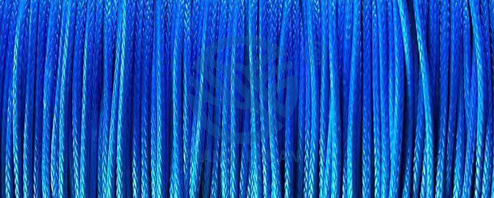
Mooring tails serve as critical components in marine mooring systems, acting as flexible connectors between a vessel’s mooring lines and the berth or offshore structure. Their primary role is to absorb shock loads, reduce stress on mooring lines, and ensure stable vessel positioning during berthing, loading, and unloading operations. However, marine environments are among the harshest on earth, characterized by saltwater corrosion, extreme temperature fluctuations, UV radiation, mechanical abrasion, and exposure to harmful marine organisms. For mooring tails to perform reliably over time, their material composition must possess a unique combination of durable properties that can withstand these adverse conditions. This article explores the key material properties that render mooring tails durable in marine environments, analyzing how each property counters specific environmental challenges, comparing different material types (such as synthetic fibers, composites, and modified metals), and highlighting the implications for marine industry applications.
To understand the material requirements of mooring tails, it is first essential to contextualize the severity of marine environmental stressors. Saltwater, the most ubiquitous element in marine environments, is highly corrosive to most metals and can degrade organic materials through hydrolysis and chemical reactions. Temperature fluctuations—ranging from sub-zero temperatures in polar regions to over 40°C in tropical waters—cause materials to expand and contract, leading to fatigue and eventual failure. UV radiation from sunlight breaks down polymer chains in synthetic materials, reducing their tensile strength and flexibility. Mechanical abrasion, resulting from contact with rough surfaces (such as concrete berths, rocky seabeds, or other mooring components), can wear down mooring tails over time. Additionally, marine fouling organisms (such as barnacles and mussels) can attach to mooring tails, increasing weight, causing surface damage, and impairing flexibility. Against this backdrop, mooring tail materials must exhibit a suite of complementary properties to ensure long-term durability.
A primary material property that ensures mooring tail durability in marine environments is high corrosion resistance. Corrosion, whether electrochemical (in metals) or chemical (in polymers), is a major cause of mooring tail failure. For metallic mooring tails (once common but now largely replaced by synthetic alternatives), materials such as stainless steel or galvanized steel were used for their corrosion resistance. However, even these metals can corrode in saltwater over time, especially in oxygen-depleted or polluted marine environments. Modern mooring tails are predominantly made from synthetic fibers, which are inherently non-corrosive. Materials such as polyester, polyamide (nylon), and ultra-high-molecular-weight polyethylene (UHMWPE) do not react with saltwater, eliminating the risk of electrochemical corrosion. This non-corrosive nature is a key advantage, as it reduces maintenance requirements and extends the service life of mooring tails. For example, polyester mooring tails, widely used in commercial shipping, can withstand continuous saltwater exposure for up to 10 years without significant degradation, whereas galvanized steel mooring tails would require frequent inspection and re-galvanization to prevent corrosion.
Superior tensile strength and fatigue resistance are also critical material properties for mooring tails. Marine mooring operations subject mooring tails to repeated tensile loads—from vessel movements caused by waves, wind, and currents—and shock loads during berthing. Materials with high tensile strength can withstand these loads without permanent deformation or breakage. Tensile strength is particularly important for mooring tails used in offshore applications, such as oil rigs or wind farms, where vessels are exposed to larger waves and stronger currents. Fatigue resistance, the ability of a material to withstand repeated stress cycles without failure, is equally vital. Over time, repeated loading and unloading can cause microcracks in materials, leading to fatigue failure. Synthetic fibers excel in both tensile strength and fatigue resistance compared to traditional metallic materials. UHMWPE, for instance, has a tensile strength comparable to steel but at a fraction of the weight, and its fatigue resistance is superior to most other synthetic fibers. Polyester, while having slightly lower tensile strength than UHMWPE, offers excellent fatigue resistance, making it ideal for applications with frequent load cycles, such as container ship berths.
UV resistance is another essential property for mooring tail materials, as prolonged exposure to sunlight can degrade polymers. UV radiation breaks the chemical bonds in polymer chains, leading to brittleness, discoloration, and reduced tensile strength. This degradation, known as photo-oxidation, can significantly shorten the service life of mooring tails if the material is not properly protected. To mitigate this, mooring tail materials are either inherently UV-resistant or treated with UV stabilizers. Polyester is inherently more UV-resistant than polyamide, making it a preferred choice for mooring tails used in open marine environments. UHMWPE, while not as inherently UV-resistant as polyester, can be treated with carbon black or other UV stabilizers to enhance its resistance. In contrast, untreated polyamide mooring tails can degrade rapidly under UV exposure, losing up to 50% of their tensile strength within a few years. For mooring tails used in tropical regions with intense sunlight, UV resistance is even more critical, as higher UV intensity accelerates photo-oxidation. Manufacturers often conduct accelerated UV testing to ensure that mooring tail materials meet industry standards for UV resistance, such as the ISO 4892 standard for exposure to laboratory light sources.
Abrasion resistance is essential for mooring tails, as they frequently come into contact with rough surfaces—including concrete berths, metal bollards, rocky seabeds, and other mooring components. Abrasion can wear down the surface of mooring tails, exposing the inner fibers to further damage from saltwater and UV radiation. Materials with high abrasion resistance can withstand this wear and tear, maintaining their structural integrity over time. UHMWPE is renowned for its exceptional abrasion resistance, thanks to its low coefficient of friction and high molecular weight. This property makes it ideal for mooring tails used in environments with high abrasion risk, such as offshore wind farms or ports with rocky seabeds. Polyester also offers good abrasion resistance, although it is not as durable as UHMWPE. To further enhance abrasion resistance, mooring tails are often coated with a protective layer, such as polyurethane or PVC. These coatings act as a barrier between the core material and the abrasive surface, reducing wear and extending the service life of the mooring tail. For example, a polyester mooring tail with a polyurethane coating can last up to 50% longer in high-abrasion environments compared to an uncoated one.
Hydrophobicity, or the ability to repel water, is a valuable material property for mooring tails, as water absorption can lead to increased weight, reduced flexibility, and microbial degradation. Synthetic fibers such as polyester and UHMWPE are inherently hydrophobic, absorbing less than 1% of their weight in water. This low water absorption ensures that mooring tails remain lightweight and flexible even after prolonged immersion in saltwater. In contrast, natural fibers such as hemp or cotton, once used in mooring lines, are highly hydrophilic, absorbing large amounts of water and becoming heavy and stiff. This not only impairs their performance but also makes them susceptible to rot and microbial degradation. Low water absorption also reduces the risk of freeze-thaw damage in cold marine environments. When water absorbed by a material freezes, it expands, causing internal cracks and damage. Hydrophobic materials avoid this issue, as they do not absorb enough water to cause significant freeze-thaw damage. For mooring tails used in polar or temperate regions where temperatures drop below freezing, hydrophobicity is a critical property to ensure year-round durability.
Resistance to marine fouling is an often-overlooked but important material property for mooring tails. Marine fouling organisms, such as barnacles, mussels, and algae, attach to submerged surfaces, increasing drag, weight, and surface roughness. This can impair the flexibility of mooring tails, increase the load on mooring systems, and cause abrasion when the fouled surface rubs against other components. Materials that are resistant to fouling either prevent organism attachment or make it easy to remove fouling. UHMWPE has a smooth surface and low surface energy, making it difficult for fouling organisms to attach. Polyester, while not as fouling-resistant as UHMWPE, can be treated with antifouling coatings to inhibit organism growth. These coatings, which contain biocides or non-toxic inhibitors, prevent barnacles and other organisms from attaching to the mooring tail surface. In addition to material properties, the design of mooring tails—such as smooth surfaces and minimal crevices—also helps reduce fouling. For mooring tails used in nutrient-rich marine environments, where fouling is more prevalent, fouling resistance becomes a key factor in ensuring long-term durability.
The thermal stability of mooring tail materials is crucial for withstanding the wide temperature fluctuations in marine environments. Materials with high thermal stability retain their mechanical properties over a broad temperature range, from the extreme cold of polar waters to the heat of tropical climates. Polyester and UHMWPE both exhibit excellent thermal stability, with polyester maintaining its properties between -40°C and 80°C, and UHMWPE between -200°C and 80°C. This wide temperature range makes them suitable for use in almost all marine environments. In contrast, some synthetic fibers, such as polyamide, have lower thermal stability, losing tensile strength at temperatures above 60°C. Thermal stability is particularly important for mooring tails used in offshore oil and gas operations, where they may be exposed to high temperatures from nearby equipment. Additionally, thermal stability helps prevent thermal degradation, which can occur when materials are exposed to prolonged high temperatures. Manufacturers test mooring tail materials for thermal stability using standardized methods, such as the ASTM D885 standard for testing the tensile properties of synthetic fibers at different temperatures.
While synthetic fibers dominate modern mooring tail manufacturing, advancements in composite materials are expanding the range of durable options. Composite mooring tails, made from a combination of synthetic fibers and resins (such as epoxy or polyester resin), offer enhanced properties such as higher stiffness, better chemical resistance, and improved fire resistance. For example, carbon fiber-reinforced composites have exceptional tensile strength and stiffness, making them suitable for high-load offshore applications. However, composites are more expensive than traditional synthetic fibers, limiting their widespread adoption. Another emerging material is recycled synthetic fibers, which offer similar durability properties to virgin fibers while reducing environmental impact. Recycled polyester mooring tails, for instance, have been shown to have comparable corrosion resistance, tensile strength, and UV resistance to virgin polyester, making them a sustainable alternative for environmentally conscious marine operators.
Despite the durability of modern mooring tail materials, proper material selection must be tailored to specific marine environments and applications. For example, in tropical regions with intense UV radiation and high fouling rates, polyester mooring tails with UV stabilizers and antifouling coatings are ideal. In offshore environments with high abrasion and shock loads, UHMWPE mooring tails offer superior performance. In cold regions, hydrophobic materials such as UHMWPE or polyester are preferred to avoid freeze-thaw damage. Additionally, compliance with industry standards—such as the ISO 14692 standard for offshore mooring lines and the OCIMF (Oil Companies International Marine Forum) guidelines—ensures that mooring tail materials meet the required durability and safety criteria.
In conclusion, the durability of mooring tails in marine environments is determined by a combination of key material properties: corrosion resistance, tensile strength and fatigue resistance, UV resistance, abrasion resistance, hydrophobicity, resistance to marine fouling, and thermal stability. Synthetic fibers such as polyester, UHMWPE, and polyamide have become the materials of choice for mooring tails due to their ability to exhibit these properties, outperforming traditional metallic and natural fibers. Advancements in composite materials and recycled fibers are further enhancing the durability and sustainability of mooring tails. By understanding the role of each material property in countering specific marine environmental challenges, marine operators can select mooring tails that offer long-term reliability, reduce maintenance costs, and ensure safe and efficient mooring operations. As the marine industry continues to evolve, with increasing demands for sustainability and performance, the development of new materials with enhanced durability properties will remain a key area of innovation for mooring tail manufacturers.
Adres:
Droga nr 8 Chengnan, park przemysłowy Chengnan, hrabstwo Baoying, Jiangsu Chiny
E-mail:
E-mail1:vanzer@xcrope.com Vanzer Tao
E-mail2:sales@xcrope.com Wang Peng
E-mail3:grace@xcrope.com Grace Li
E-mail4:info@xcrope.com David Cheng
Telefon firmowy:
+86-514-88253368
Dział sprzedaży zagranicznej:
+86-514-88302931


Prawa autorskie © Jiangsu Xiangchuan Rope Technology Co., Ltd. | Wszelkie prawa zastrzeżone
Ta strona korzysta z plików cookie, aby zapewnić najlepszą jakość korzystania z naszej witryny.
 English
 Español
 Portugues
 Pусский
 Français
 Deutsch
 日本語
日本語 한국어
한국어 العربية
 Italiano
 Ελληνικά
 Türk dili
 Indonesia
 Melayu
 Tiếng Việt
 বাংলা
বাংলা norsk
norsk Română
 Azərbaycan
 中文站
中文站
 +86-514-88253368



 Telefon
Komentarz
(0)